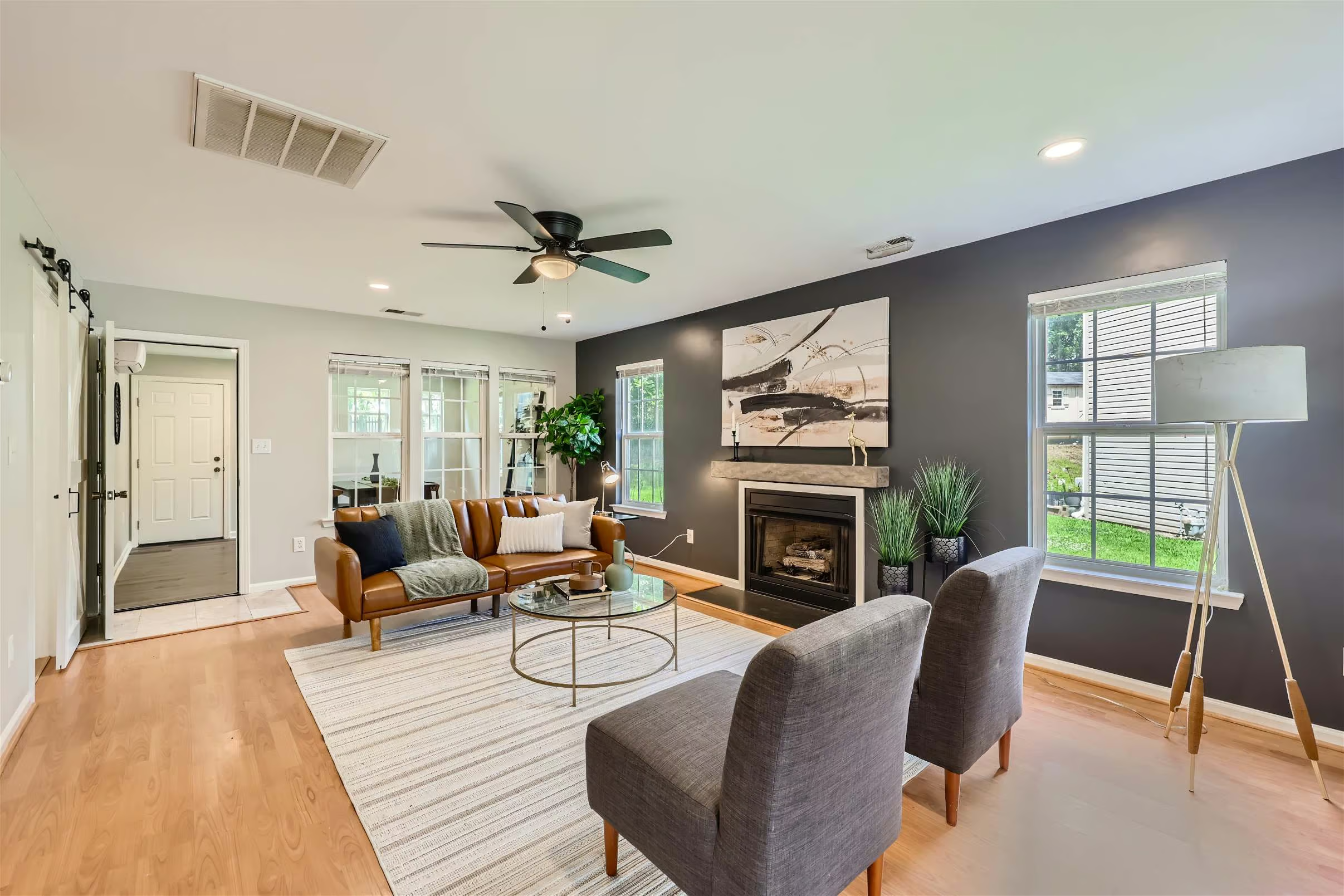
Most listings wait for the buyer to find them. Mine don’t.
When I take a listing, one of the first questions I’m asking isn’t just what the home is worth. It’s who’s most likely to buy it and where that person is coming from.
That question probably tells you more about how I approach real estate than almost anything else.
I want to understand the consumer before I build the strategy. Maybe the buyer for your home already lives in Charlotte. Maybe they’re relocating from the Northeast, coming from the West Coast or moving here from another country. What are they looking for? What problem does this home solve for them? What are they comparing it to, what will get their attention and what could make them hesitate?
Once I understand that, everything else starts taking shape.
The presentation. The pricing. The photography. The order of the photos in MLS. The brochure. The property description. Where and how we market it. Sometimes we’re telling a story and sometimes we’re not.
None of it is arbitrary.
There are a lot of ways to practice real estate. This is how I’ve built my business and why.
I Don’t Believe in Waiting for the Market to Do the Work
Putting a home in MLS is important, but that’s distribution. It isn’t the entire marketing strategy.
If the data and the property tell me a likely buyer is coming from a particular market, I want agents in that market to know about the home. That’s where the relationships I’ve spent years building become valuable.
I work with real estate advisors throughout the country and around the world. Some are in markets that consistently send buyers to Charlotte. Others work within industries, relocation networks or niches that overlap with the clients I serve. I don’t build those relationships so I can collect names in a database. I know these people.
When I have the right property, I can pick up the phone.
That’s very different from putting a sign in the yard and hoping the right person eventually sees it.
It’s also one of the reasons I created The Charlotte Experience, where I bring a small, intentionally selected group of real estate advisors from around the world here to experience Charlotte themselves. When one of their clients starts talking about relocating to Charlotte, I don’t want that agent trying to explain a city they’ve never experienced. I want them to understand why people are moving here and to know exactly who to call.
For my sellers, those relationships expand the conversation around their property. For my clients moving somewhere else, that same network gives me people I already know and trust in markets well beyond Charlotte.
Real estate is local. Relationships aren’t.
For more on selling your home, check out these posts next:
- What Are Buyers Looking For?
- How to Attract International Real Estate Buyers
- How to Find the Top Charlotte Real Estate Agent to Sell Your Home
Strategy Starts Before the Home Hits the Market
I don’t believe preparing a home for sale means walking through it with the same checklist I used on the last one.
Sometimes the right recommendation is paint, lighting and landscaping. Sometimes we’re coordinating contractors, staging or repairs because I believe the return justifies the investment. Sometimes I tell a seller not to spend money on something because I don’t believe the buyer is going to value it enough to get that money back.
I’ve had sellers come to me after spending thousands of dollars preparing a home based on what they thought buyers wanted. By the time I’m involved, that money has already been spent. I’d much rather have the conversation before that happens.
The same applies to pricing. A beautifully prepared home can still sit if it’s overpriced. Marketing can’t overcome a price the buyer doesn’t believe the property justifies.
One of my country club sellers came to me after an unsuccessful experience with a previous agent. We didn’t simply relist the property and hope for a different result. We looked at the buyer, the presentation, the pricing and how the home was being positioned in the current market. We rebuilt the strategy around what today’s buyer was actually responding to.
Nine days after relaunching, the home was under contract.
That’s not about doing more marketing for the sake of doing more. It’s about doing the right things for that property and that buyer. Sometimes, you don’t need to renovate before selling your home.
I Spend a Lot of Time Thinking About What Happens Next
A real estate transaction doesn’t happen in isolation from the rest of your life.
You may be selling because you’ve already found another home. You may be relocating for work. You may need the proceeds from one property before you can purchase another. Maybe carrying two mortgages for a month is manageable, but three isn’t. Maybe you have children, pets, movers, temporary housing, contractors or an aging parent involved in the move.
Those details matter to me because they change the plan.
I’ve recently helped clients purchase their next home first and then sell their existing home before the first mortgage payment on the new property was due. I’ve coordinated another transaction where my clients were scheduled to close on the home they were buying one day and the home they were selling the next.
Neither outcome was guaranteed when we started.
What we could do was understand the non-negotiables, run through the possible scenarios and decide in advance what we’d do if the original plan changed.
For me, that part of the job comes naturally. I’ve coordinated major moves professionally for clients and experienced plenty of them personally, including during my years in the Marine Corps. I’ve learned to look for the things people tend to remember at the last minute, anticipate where a bottleneck could happen and have another option ready before we need it.
A smooth transaction doesn’t always mean nothing went wrong. Sometimes it means the client never had to carry the weight of everything happening behind the scenes.
Selling on a deadline? Here’s what to do to get your home sold before the end of the year.
Buyers Get the Same Level of Strategy
This isn’t something I reserve for listings.
When I represent a buyer, I’m not there to open doors and ask whether you like the kitchen.
I want to understand what you’re actually trying to accomplish. How do you live? What are you optimizing for? What matters enough that you’ll compromise somewhere else to get it?
Then, when we’re looking at homes, I’m thinking beyond whether you like one.
How does it compare to what else is available? How long has it been on the market? What does the pricing history tell us? What might affect resale later? Is there something about the property that gives us negotiating leverage? Is there something you aren’t seeing because you’re emotionally attached to it already?
And if I think you shouldn’t buy it, I’ll tell you.
My job isn’t to get you to closing. It’s to help you make a decision you’ll still feel good about after the excitement wears off.
For more home-buying advice, check out these posts next:
- When is the Best Time to Buy a House?
- What is the Working With Real Estate Agents Disclosure in North Carolina?
- Do I Need a REALTOR® to Buy a House?
Sometimes the Opportunity Isn’t on the Market Yet
Some of my favorite transactions have happened because I knew my clients well enough to recognize a match before either side knew the other existed.
I’ve had a seller preparing to go to market when I realized I already represented a buyer who was an unusually good fit for the home. With the seller’s permission, we created an opportunity for that buyer to see it before the property was publicly listed. They bought it, and the public didn’t know the home had been available until after it closed.
In another transaction, a family needed to sell a home while navigating a complicated and emotional transition for an aging loved one. I knew buyers who had stepped away from the market because the location, condition and price point they needed simply weren’t lining up. With permission from everyone involved, I connected them.
The buyers found a home that was better suited to them than what they’d been seeing publicly. The sellers avoided the expense and disruption of preparing for the open market, and both sides were able to have unusually transparent conversations because there was genuine understanding of what the other was trying to accomplish.
I can’t manufacture those opportunities and I would never promise one.
But I can know my clients well enough to recognize one when it appears. Learn more about selling your home off-market in Charlotte.
I Don’t Disappear After the Transaction
I’ve never viewed closing as the finish line of the relationship.
After my clients close, they’re connected to resources that help them continue understanding their home and their market. I stay in touch. I check on how the move went. I want to know whether the contractor showed up, whether they’re settling into the neighborhood and whether the house is becoming what they hoped it would be.
And when life changes again, I’m still here.
Sometimes that means helping someone understand what their home may be worth years later. Sometimes it’s introducing them to an agent in another state or another country. Sometimes it’s helping their parents, children, friends or colleagues navigate a move of their own.
A significant amount of my business comes from repeat clients and referrals. I don’t take that lightly. Someone trusting me with another person they care about is one of the strongest endorsements I can receive.
Find out what it’s really like to work with me with these posts next:
- Why Work With Ashley Horton when Buying a Home in Charlotte, NC
- Reasons to Sell Your Home in Charlotte, NC with Ashley Horton
What I Do Differently Really Comes Down to One Thing
I pay attention.
To the data, absolutely. To the market. To the buyer. To what isn’t selling and why. To where people are moving from and what they’re asking for when they get here.
But I also pay attention to people.
What you’re worried about. What you’re not saying yet. What has to happen for this move to work financially and logistically. What you’re excited about and what could become a problem three steps from now.
That’s where strategy comes from.
It isn’t a templated marketing package or a checklist I apply to every transaction. It’s taking the time to understand what we’re actually trying to accomplish and then building everything around that outcome.
That’s how I practice real estate.
Final Thoughts
There are plenty of talented real estate agents in Charlotte, and I don’t believe being different requires pretending there aren’t.
I built my business around the things I value: strategy, relationships, preparation, communication and doing the work before it becomes obvious that the work needs to be done.
For sellers, that means I’m not waiting for the buyer to find us.
For buyers, it means I’m not simply waiting for the right house to appear.
And for every client, it means I want to understand the entire picture before I tell you what I think we should do next.
If that’s the kind of real estate advisor you’re looking for in Charlotte, I’d love to have the conversation.
Ashley Horton | 704.975.5418 | ashley.horton@charlotteluxehomes.com
Global Real Estate Advisor
Licensed in North Carolina & South Carolina
Premier Sotheby’s International Realty
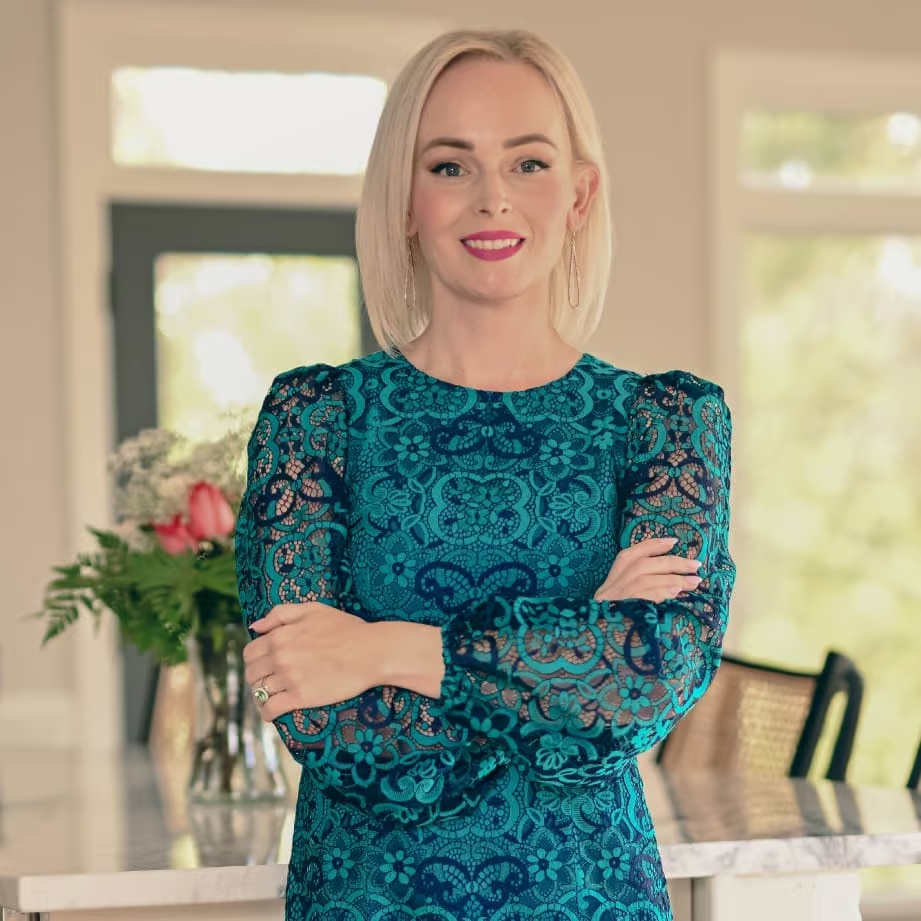

It Starts with a Conversation!
Buying, selling, or relocating to Charlotte? Get in touch with me here to get started!